

Humans have tried to share ideas and information over time and across great distances for a pretty long time. The oldest known cave painting, found in Indonesia, is around 35,000 years old!
Cave paintings aren't exactly handy to share with a friend. (Imagine trying to pass a note that's... attached to the side of a mountain?!) Humans eventually came up with new ways to store and transport their knowledge. People used clay or stone tablets. Later, they developed papyrus and paper.
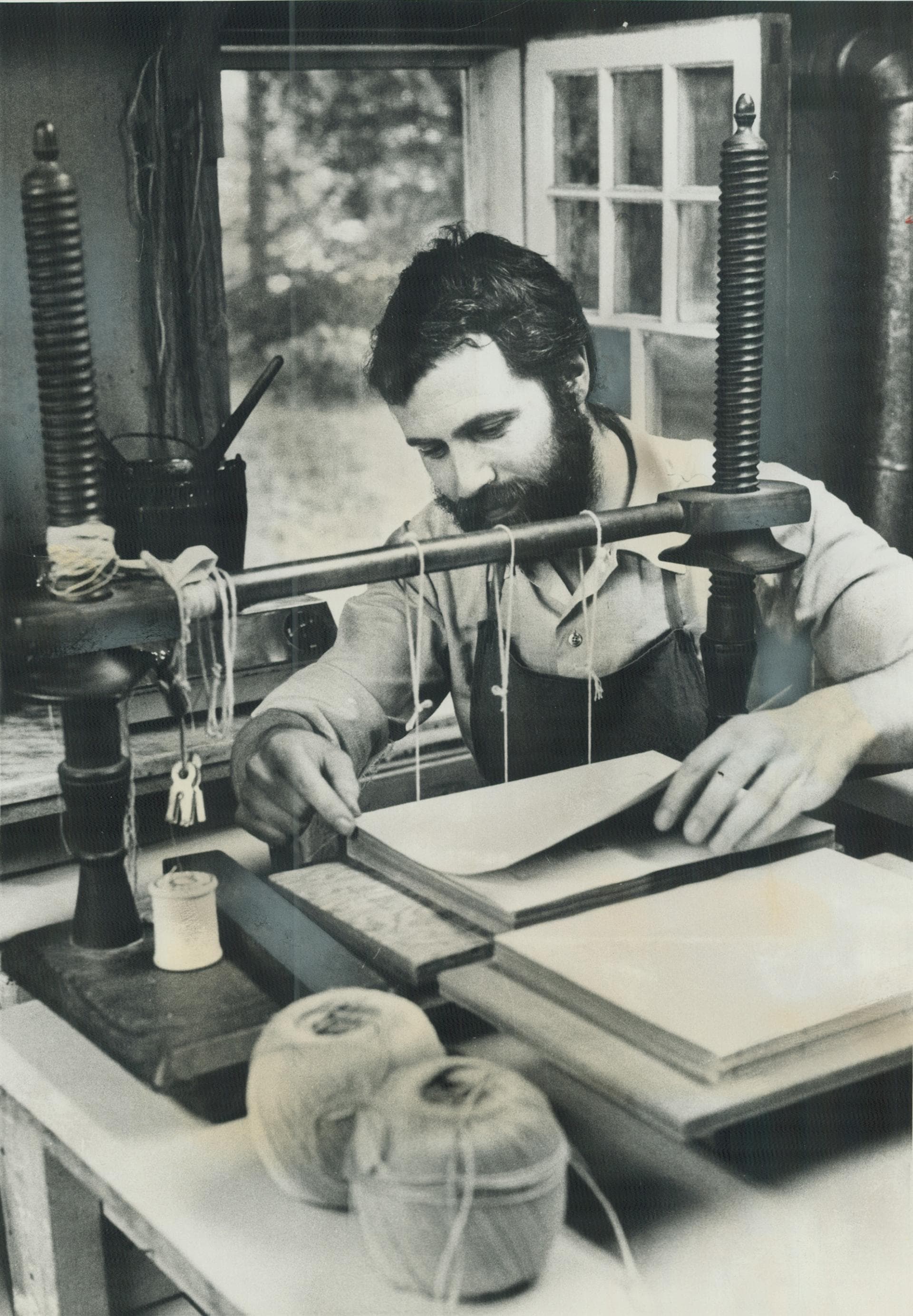
Binding pages into books was an efficient way to organize sheets of paper. Then the printing press was invented. Books became more common and affordable. Hooray!
We also got a related question: How do you make books? To begin, an author writes a story. Editors and designers make decisions about the physical elements of the book. What size is the font? What type of paper? Then the book is printed and checked for errors.
In offset printing, unique plates are created for each page of the book. These plates are placed into the printing press. The book goes through the printing press, and then gets bound into a completed book. Publishers might also choose digital printing.
Books are wonderful, but not the only way to communicate and store ideas! In the oral tradition, cultural and historical knowledge get passed down by word of mouth, from one generation to another. Speech, storytelling and songs can all hold memory. It's important not to overlook the rich oral traditions of peoples around the world, including many Indigenous communities in the land we call Canada today.
Related wonders:
How do printers work?
What is the longest book ever written?
Why do libraries exist?


